Ask anybody about Wales and there are probably a few things that come to mind. Welsh cakes, choirs, and probably rain. The declaration of drought status across the whole of Wales tells a much bigger story than one dry month. It is a warning about the Wales we are becoming if we do not move faster to adapt to climate change and restore the natural systems that help protect us.
This July, Wales received just 8% of its long-term average rainfall, with many rivers now exceptionally low and reports of drying riverbeds, fish in distress, algal blooms, wildfire risk, and growing pressure on farming and livestock. Natural Resources Wales has made clear that drought is declared when low rainfall and water availability are already affecting rivers, groundwater, ecosystems, agriculture and land management.
The impacts of climate change should now be in no doubt. Drought, extreme heat, wildfire, flooding, water scarcity and biodiversity loss are not separate problems. They are connected symptoms of a landscape and seascape under stress. We cannot meet this challenge by responding to each emergency in isolation. Wales needs a long-term national effort to make our communities, farms, rivers and wildlife more resilient.
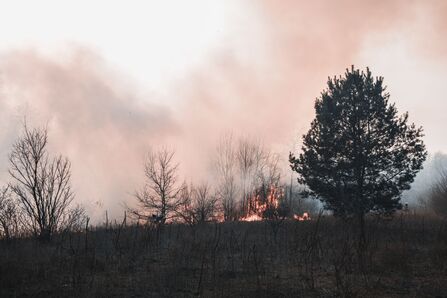
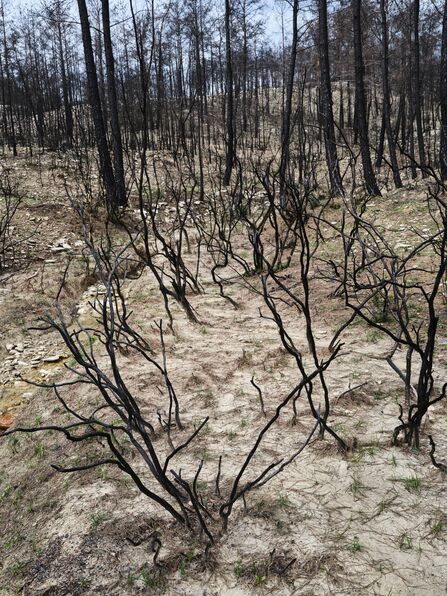
The horrifying wildfires seen across Wales and the wider UK this year show what this means in practice. The immediate source of ignition matters, whether that is a discarded cigarette, an unattended campfire, deliberate fire-setting, machinery, or another spark. These risks should be taken seriously and reduced wherever possible. That means stronger public warnings during periods of high fire risk, better education about behaviours that can start fires, and clear, repeated messaging across all channels about just how quickly fires can take hold in dry conditions.
But ignition is only part of the story. A small spark becomes a major wildfire because the landscape around it has been made hotter, drier and more flammable by climate change, degraded habitats and land management pressures. If we only talk about how fires start, and not why they spread so quickly and burn so intensely, we will keep missing the lesson.
Reducing wildfire risk in the Welsh uplands is complex but simply putting more livestock onto the hills could make the situation worse. In many places, past policies and long-term drainage have left upland peatlands drier, poorer in wildlife and more vulnerable to fire. Heavy grazing by sheep can make the problem worse, because sheep tend to avoid tough Molinia grass, allowing it to dominate large areas. This dry tussocky grass that can become highly flammable in dry weather. The priority now should be to restore the natural resilience of these landscapes by blocking drainage channels (over 2,000kms according to Natural Resources Wales), rewetting peat, helping bog and heathland plants to recover, and using light levels of mixed grazing by the right animals in the right places. This is a more practical and lasting way to reduce wildfire risk. It also will bring back these areas for wildlife and importantly these restored habitats will help alleviate flooding and drought for communities in Wales.