Is the new Welsh Government ready to act on the nature crisis?

Is the new Welsh Government ready to act on the nature crisis?

Why the new Welsh Government must make nature recovery a national priority.

The new Welsh Government takes office at a defining moment for Wales. Communities are under pressure from the cost of living, overstretched public services, more frequent climate shocks and a growing sense that decisions made in Cardiff Bay are too distant from everyday life. At the same time, the natural systems that protect our homes, feed our communities and support our health are being pushed to breaking point.

Nature recovery cannot be treated as a pleasant add-on for better times. It is one of the most urgent tests facing the new Government. If Wales is serious about stronger communities, climate resilience and a fairer future, then restoring nature must move from the margins of policy to the centre of government.

Nature loss is already affecting Welsh communities

Wales is in a nature emergency; we are one of the most nature-depleated countries in the world with one in six species at risk of extinction, and the warning signs are no longer possible to ignore. Rivers are polluted, soils are depleted, species are disappearing, and too many communities lack good access to healthy green space. This is not an abstract environmental problem. It is a community problem, a health problem, an economic problem and a climate problem. 

When wetlands are drained, floods hit harder. When peatlands are damaged, carbon is released, and water quality suffers. When local green spaces are neglected, people lose places to exercise, meet, relax and belong.
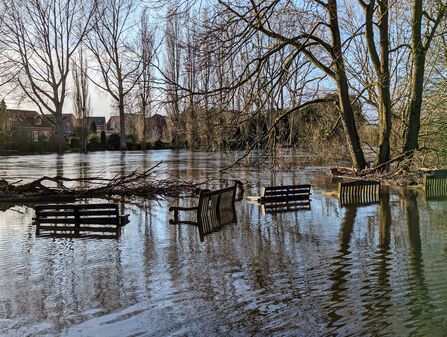
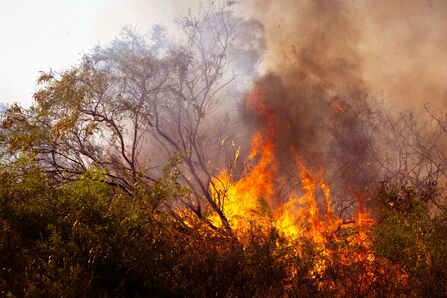
The new Welsh Government faces a clear choice: allow nature to keep being squeezed when budgets are tight, or treat it as the foundation of a safer, healthier and more prosperous Wales. Recent heatwaves have shown what this means in practice. Trees are not decoration; they are shade, cooling and protection for livestock and people. The climate we are living through now may be the mildest we will experience in our lifetimes. Wales must adapt now, and nature-based solutions are one of the fastest, most cost-effective ways to protect people while restoring the natural world we depend on.

We need to move from words to action

Wales is not short of plans. It is short of delivery. Without the money, political will and urgency to put them into practice, strategies will not restore a single river, save a single species or protect a single community from flooding. A new Climate and Nature Plan will only matter if it is funded, costed and acted on now. A 2040 horizon is not good enough when Wales has already committed to protect and effectively manage 30% of its land and sea by 2030. Pushing real action beyond the life of this Senedd risks turning a nature emergency into a managed decline. That is unacceptable.

Nature-based solutions can make life better for communities

This is at a time when Plaid have recognised that nature-based solutions. But this must be central to the next Programme of Government. Restored wetlands can slow floodwater and address droughts. Healthy peatlands can lock away carbon and improve water quality. Trees, hedgerows and species-rich grasslands can cool streets, shelter wildlife and reconnect fragmented habitats. Better local green spaces can improve mental and physical health, reduce isolation and give people places to breathe.

These are not environmental nice-to-haves. They are practical, cost-effective interventions that help communities adapt to climate change, reduce pressure on public services and create local jobs and skills. In flood-prone neighbourhoods investing in nature is urgently needed and its the most cost effective way of reducing risk.

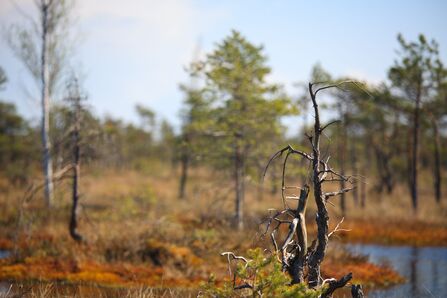
Peatlands

© Mark Hamblin/2020VISION

What the new Welsh Government should prioritise

This means nature recovery must become a Cabinet-level responsibility, not another plan. Housing, transport, health, education, farming and the economy all affect nature, and all depend on it. Every major decision should show how it restores ecosystems, reduces climate risk and improves people’s access to nature.

Businesses are under growing pressure to prove they are investing in nature, and this nature finance is needed to pay farmers to restore nature. Wales cannot afford to let nature finance pass it by. But without a clear Welsh Government policy framework, that investment will go elsewhere. With public spending already pulled hard towards health and childcare, Wales needs inward investment to help tackle the nature emergency. Organisations such as the Wildlife Trusts are already developing investable nature recovery projects, but the Welsh Government must now create the conditions for that finance to flow into Wales and is of high integrity to ensure community involvement and benefits.

Planning must stop treating nature as expendable. Wales needs homes, infrastructure and renewable energy, but it cannot afford development that damages protected sites or destroys irreplaceable habitats. 

This is unbelievably still happening in Wales despite stricter planning guidance. The refresh of Future Wales, the national planning framework, is an opportunity to hardwire nature recovery into national planning, from protecting the most important places for wildlife to designing nature into new buildings through measures such as swift bricks, pollinator planting and truly biodiverse green infrastructure.

Farming policy is another decisive test. Farmers and land managers are essential to nature recovery, but they need long-term certainty, fair funding and practical support. The Sustainable Farming Scheme could help deliver nature-based solutions at scale, but only if the Options and Collaborative tiers have the budget and ambition needed. If funding is pulled towards short-term marketing or kept largely in the lower Universal tier, Wales will miss a critical opportunity to reward farmers and consequently support rural communities.

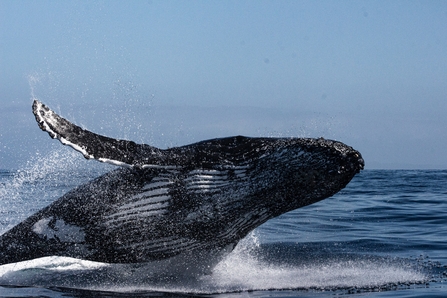
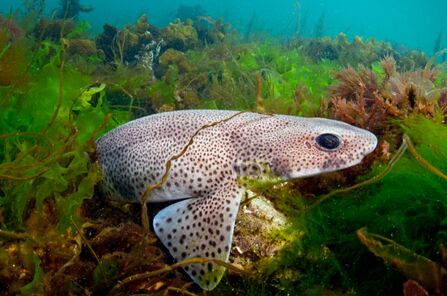
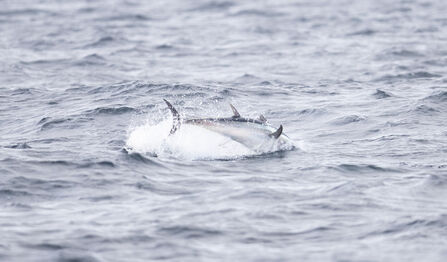
Wales is a maritime nation, we have more sea than land, and around 60% of people live on or near the coast. Our seas are extraordinary places, home to whales, sharks, rays, turtles and bluefin tuna, and the more we learn, the clearer it becomes that their richness is still underestimated. Yet this natural wealth is being damaged by pollution, climate change, sea-level rise and destructive practices such as bottom trawling. Wales has an inshore fishing fleet, but much of the damage is caused offshore, by European vessels btom trawling for scallops and prawns, leaving Welsh waters to carry the cost while local communities see little benefit. The next Welsh Government must restore marine hbatitats by restoring oyster beds that filter polluted water, rebuilding seagrass meadows that provide nursery grounds for fish, and protecting habitats that can help revive sustainable inshore fisheries. Healthy seas are not a luxury; they are vital to coastal resilience, food security, jobs and Welsh communities.

A chance for Welsh leadership

Above all, the Government must protect what cannot be replaced and reconnect what has been broken. Wales needs bigger, better and more joined-up spaces for wildlife on land and at sea. This is a moment for Welsh leadership. The new Government can show that environmental ambition and social renewal are not competing priorities, but the same mission. The barriers are real. Budgets are tight, delivery capacity is stretched, and some will continue to present environmental protections as obstacles. But that argument is dangerously short-sighted. Nature is critical infrastructure. It protects homes, supports livelihoods, improves health and gives people places of beauty, belonging and respite. 

If Wales is to build a fairer, greener and more resilient future, nature recovery must be treated as a national priority now. Not after other pressures ease. Not once budgets feel easier. Now. The next Welsh Government has the opportunity to make this a defining mission: rivers recovering, peatlands restored, wildlife returning, communities shaping local action, and every child in Wales growing up with nature close to home. This summer will show whether the Government is serious about prioritising  nature and coordinating delivery across government, as promised in its manifesto. The Programme for Government commitments will be the first test. If the answer is more distant targets and plans for 2040, Wales will lose a critical decade for action, and Welsh communities will be put at risk.