Nature’s Recovery in Wales: A Future We Can Choose

Nature’s Recovery in Wales: A Future We Can Choose

We have witnessed nature's decline over the decades, but a new era of investment could change nature's fortunes. But will the next Senedd rise to the opportunity?

At times, it feels as though the world is shouting. Headlines are filled with crisis, conflict, and uncertainty loud enough to drown out almost everything else. But beneath that noise, something quieter is happening, something older and closer. While global events pull our focus outward, the land beneath our feet is telling its own story, one still full of hope, possibility, and renewal, if we choose to listen.

Wales is at a crossroads

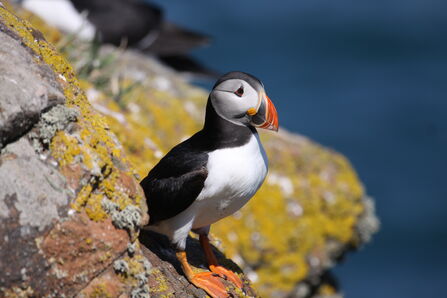
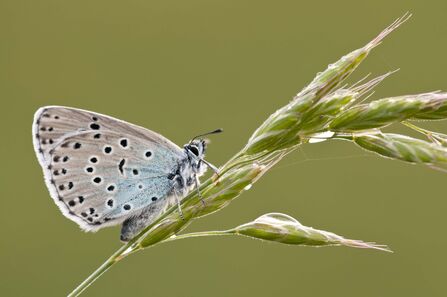
Nature’s decline in Wales is real, with 1 in 5 species at risk of extinction. Yet just as real is the potential to turn this around. The landscape we see today reflects the choices of the past; the landscape our children inherit will reflect the choices we make now. But behind the noise, something deeply important is unfolding: the story of nature in Wales and the opportunity we still have to restore it. The Wildlife Trusts want to imagine a Wales where rivers run clear, where wildlife flourishes in fields and hedgerows, where farms are thriving, not merely surviving. This isn’t a fantasy; we think it's achievable, but it requires us to look at the future differently.

Nature’s story in Wales doesn’t have to be one of decline. It can be a story of renewal, resilience, and shared purpose. This is not a moment for despair; it is a moment for clarity and for action grounded in hope. Yes, political and social uncertainty can overshadow progress. 

Climate and nature can feel like “later” problems in a world full of “right now” problems. 

But ignoring them is already affecting our lives: homes flooded one month and facing drought the next, farming suffering the same fate, food prices rising whilst storms arrive back‑to‑back. We’ve solved big challenges before, so we can rise to meet this one, too. But we must shift our focus toward what makes Wales unique so that we can open possibilities right here in Wales.
 

Nature needs space, and so do we

Climate action has rightly dominated conversation for years. But climate and nature are not the same story. Climate work prevents harm, whilst work for nature's recovery brings life back. And the heart of nature recovery is beautifully simple: give nature space, and it will return. In return, it will help us adapt to our changing climate, reducing flooding and drought, clean our water and air and give us quiet spaces to improve our well-being.

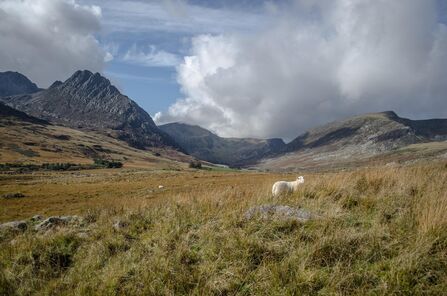
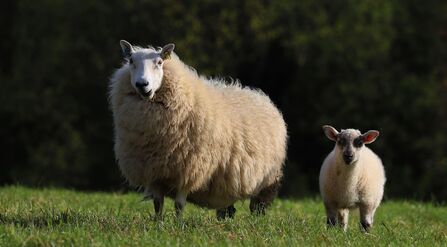
In Wales, giving nature space isn’t always easy, as nearly 90% of our land is farmed. But that also means we have an extraordinary opportunity if we face the realities of what's making farming so hard. Today, much of the food we grow is exported, while most of the food we eat is imported. It’s a system that isn’t working, not just for our food security, but also not for farmers, as many struggle to make a profit. However, we all value Welsh farmers, and they are critical to the very fabric of rural Wales and the Welsh language. So, if the status quo isn’t working, what is the answer?

Farmers are key to nature's future

Farmers hold deep knowledge of the land and are central to rural communities. They are not the cause of nature’s decline; they’ve simply adapted to policies and food markets that pushed them toward intensification. But what if those same farmers were empowered to lead nature’s recovery? 

What if farmers could earn a stable income not only from food, but from creating nature-rich landscapes? 

This isn’t a future hope; it's already happening, but who is willing to pay?

Government funds alone can’t deliver nature recovery, not when the NHS, education, and community services also need investment. The answer is to get the businesses to invest, as they already understand that a stable climate and healthy ecosystems are essential for their futures. But we need to make sure any investment is right for Wales to uphold high integrity principles that ensure long-term benefits for people and wildlife. When done responsibly, corporate investment in nature isn’t greenwashing, it’s long-term thinking.

Wales has an opportunity waiting to be taken

Imagine a system shaped around people and place, where environmental charities like The Wildlife Trusts work directly with farmers, not as middlemen but as partners. Land advisers would walk fields with farmers, identifying opportunities the farmer chooses, and it would be the farmer who negotiates the price. Farmers could then receive upfront, long-term payments, giving 30 years of financial security for restoring habitats. Often, these can be the least productive pockets of their land, such as ponds in the low-lying corner of a field, restoring hedgerows and creating meadows that still support grazing. In this way, nature would return, whilst food production continues and, critically, rural livelihoods become more resilient. This is already happening in England, as developers are required to deliver 10% benefit to biodiversity, leading to investment for nature's restoration.

Right now, Wales doesn’t have this 10% requirement, but by creating our own version with high standards, strong safeguards for communities and a uniquely Welsh approach, we could unlock significant investment into farms and landscapes across the nation. Communities would benefit, nature would rebound, and Wales could lead the UK with a bold, nature-positive model of rural revival.

And the most inspiring part?


We don’t need to wait; the knowledge is already here, and so is the commitment from environmental organisations. All we need is the government to set up the right incentives by requiring development to invest 10%.

In May 2026, Wales will elect a new Senedd. The question is whether the next government will be bold and visionary, investing in the renewal of our land and communities or whether it will choose business as usual. The decision is approaching, and its impact will shape the future of the land and, therefore, nature's recovery in Wales.

Find out more about the Senedd Elections