Bycatch-22: first-ever UK report exposes shocking scale of wildlife deaths in UK fishing

Bycatch-22: first-ever UK report exposes shocking scale of wildlife deaths in UK fishing

Hundreds of dead marine animals have washed up on Welsh beaches this year, with a new report identifying bycatch in UK fishing gear as a major cause. Wildlife Trusts Wales is calling for stronger monitoring and action to reduce accidental wildlife deaths and better protect marine life.

Hundreds of dead sharks and fish washed up on Pembrey Beach in Carmarthenshire this spring. They were entangled in a fishing net, suggesting their cause of death was bycatch. The previous week also saw dead sharks wash up at Saundersfoot in Pembrokeshire, raising concerns about the impact of trawling on Welsh marine life. 

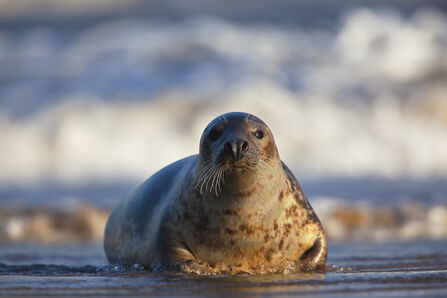
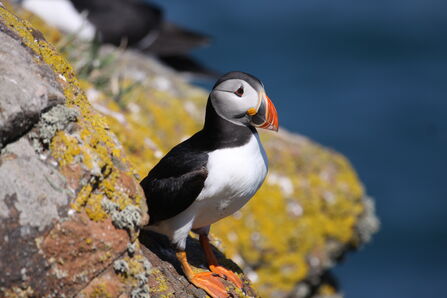
More than 10,000 seabirds, 1,000 whales and dolphins, and hundreds of seals are being accidentally killed every year by fishing boats operating in UK waters, according to a first-ever report exposing the true scale of bycatch in the UK.

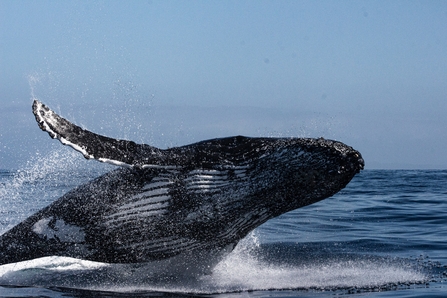
The new analysis from Wildlife and Countryside Link reveals the devastating toll bycatch is having on marine wildlife, with protected and endangered species among those dying in huge numbers. Animals such as humpback whales, razorbills, seals, and more are among the victims exposed, with case studies highlighting the plight of Legs the seal who was tangled in a net for seven years, among others. 

Bycatch is the accidental capture and killing of non-target animals during fishing. It is driving suffering, population decline, and extinction risk for marine animals. The report warns that the true scale is likely far worse as a result of chronic underreporting and a lack of monitoring across much of the UK fishing fleet. There is extremely limited monitoring of bycatch in Wales, with one published study since 1997. 

The report shows that every year fishing boats are catching: 

  • Over 10,000 seabirds
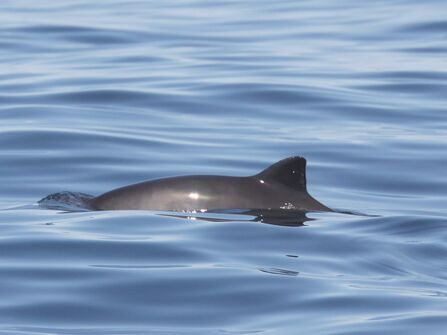
  • Over 1,000 cetaceans, including harbour porpoises, common dolphins, and humpback and minke whales
  • Around 500 seals
  • Over 120 tonnes of protected sharks, skates and rays
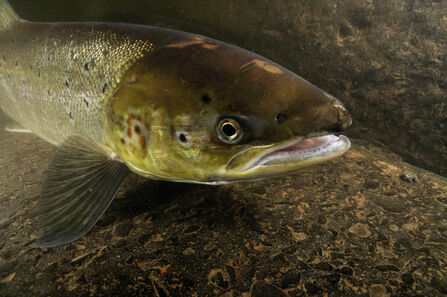
  • Over 1,000 endangered Atlantic salmon

The report also shows that the UK Government is failing to meet legal obligations to achieve Good Environmental Status in UK seas, with bycatch identified as a major cause of marine wildlife decline, including in Wales. 

Abi O’Leary, Marine Officer for Wildlife Trust Wales, said:

“The recent loss of hundreds of sharks and fish at Pembrey Beach and Saundersfoot stresses the urgent need for action, as also highlighted in this report. The Welsh Government mustn’t let incidents such as this occur, and must deliver robust Bycatch Action Plans, supported by mandatory monitoring and effective enforcement, to prevent them. Wales needs legally binding bycatch measures and the use of remote electronic monitoring across all fishing vessels operating in its waters to protect marine wildlife”. 

The report also highlights successful solutions already being used in UK fisheries. For example, in Filey Bay, on the Yorkshire coast, a collaboration between fishers and conservationists reduced seabird deaths from around 700 a year to just four or five by trialing new methods, such as heavier nets. In Scotland, trials of weighted ropes in creel fisheries have also shown success in reducing the risk of whales becoming entangled in fishing gear. Research by the Scottish Entanglement Alliance found most whale entanglements were caused by floating ropes between creels, with early trials of weighted ropes welcomed by fishers and showing strong potential to prevent unnecessary wildlife deaths.