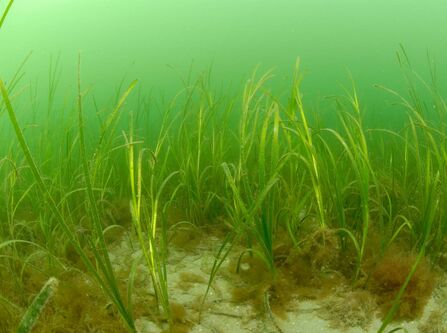
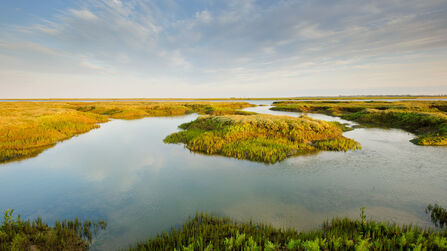
When we restore a woodland, we do not usually think about one tree, one plant, or one animal on its own. We think about the whole place, from the plants and trees to the wildlife moving through it. The sea should be no different. Yet marine restoration has often focused on single species or small patches of habitat, rather than the wider living system they belong to. If Wales is serious about tackling nature loss and helping our coast adapt to climate change, we need to restore the sea in a more connected way.
The ocean is not separate from the land. Rain falling on the mountains can travel through rivers, estuaries and coastlines before reaching the open sea. Along the way it carries water, soil, nutrients and sometimes pollution. Wildlife also moves through these connected places. This bigger picture is sometimes described as a seascape, the marine equivalent of a landscape. It reminds us that what happens upstream can shape the health of the coast and sea downstream.
For Wales, this way of thinking feels especially important. Our rivers in the west are short and fast-flowing, whilst those in the east are long and slow-flowing, but all link hills, farms, towns and coastlines. Marine restoration should not begin only at the shoreline. It should follow the natural connections that run from land to sea and recognise that a healthier coast often starts much further inland.
Marine habitats do not work in isolation. Fish, birds and other wildlife move between places to feed, breed, shelter and grow. Tides and currents also shift sediment and nutrients, helping to shape the conditions that life depends on. A healthy sea is therefore not just a collection of separate habitats. It is a network of places and processes that support each other.
Many coastal areas are like natural patchworks. Different habitats sit side by side, and each plays a part in supporting wildlife at different stages of life. Young fish may need sheltered areas before moving into deeper water. Birds may feed in one place and rest in another. When these places are connected, they create richer and more resilient ecosystems.