Bycatch: A Hidden Threat

Bycatch: A Hidden Threat

Wales' seas are full of life, but a hidden threat beneath the surface is killing thousands of marine animals every year.

In spring this year, a net full of dead fish and sharks washed up on Pembrey Beach in Carmarthenshire. Just days earlier, a walker found a pile of dead catsharks at Saundersfoot in Pembrokeshire. These dead sharks have since disappeared with the tides, begging the question: how often is this happening in Wales, and why don’t we know about it?

Bycatch is almost certainly the cause of death of these marine creatures. It would be unusual for this number of the same species to wash up dead, especially when entangled in fishing nets. It is impossible to say for sure where these fish and sharks came from, whether they were casualties of fishing in Welsh inshore waters, or from the larger trawling vessels operating in offshore waters. 

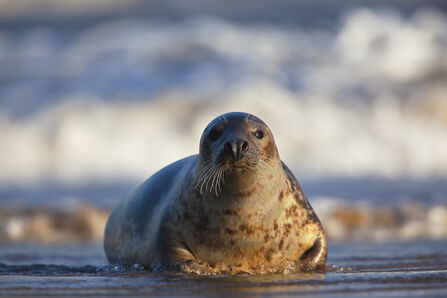
Bycatch refers to the marine life caught during fishing operations which isn’t the target species, and unusable for fishers. Nets dragged through the water or along the seafloor sweep up everything in their path. Static nets that hang like a curtain in the water or like a rug on the seabed snag seabirds, porpoises, sharks, and seals as well as fish. By the time these animals are discarded back into the sea, they are dead or dying, with little chance of survival. 

According to a new report by The Wildlife and Countryside Link, 10,000 seabirds, 1,000+ cetaceans, and 500 seals are killed annually as victims of bycatch across the UK. These figures do not include unobserved deaths, and as bycatch is dramatically underreported, the true scale is likely far higher. So, what does this mean for Welsh Wildlife?

There is very little Welsh-specific evidence on bycatch numbers; we simply do not know the full scale of bycatch in Welsh waters. Natural Resource Wales acknowledges this in their latest SoNaRR report. This is incredibly concerning given the pride that Wales takes in its marine life. 
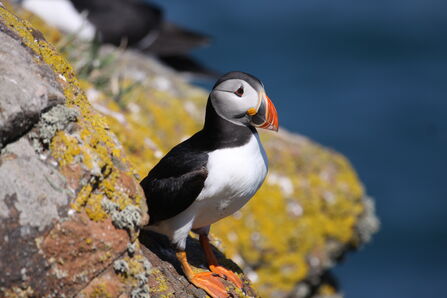
Puffins, dolphins, seals, porpoises, and internationally important seabird colonies draw thousands of visitors each year. In deeper waters, turtles, bluefin tuna, sharks and rays delight those lucky enough to catch a glimpse of them. Welsh seas are not empty stretches of water; they are alive, rich in life, and represent deep connections between marine and coastal environments and the Welsh people. 

The sea is woven into Welsh identity. It shapes livelihoods and landscapes, with generations of communities relying on it. And above all, who doesn’t love visiting the sea? The sense of calm, the wildness, the mystery - it astounds me how much we rely on the ocean; without it, we would not survive. Bycatch is a serious threat to this. 

Bottom trawling is a repeat offender when it comes to bycatch. Weighted nets are dragged along the seabed, capturing and damaging everything in their path. Entire ecosystems are destroyed, and non-target species are caught and discarded. Bycatch forces us to confront uncomfortable truths. 

Yet much of this goes unrecorded. How can we protect something when we do not understand the scale and extent of the problem? 

Much of the offshore fishing fleet in Wales isn’t Welsh. Their catch is landed in ports in their own countries, not in Wales, yet the cost of offshore bottom trawling and bycatch is born by the Welsh people. The Welsh inshore fishing fleet, whilst consisting of some trawlers, mostly consists of pot and line fishing. There are bycatch risks from this small-scale fishing, but diminishing offshore stocks are risking their future. 

It is clear that Wales needs stronger monitoring and reporting to increase accountability for bycatch incidents in Welsh waters, both inshore and offshore. 

Wildlife and Countryside Link’s new report Hidden in the Haul: The true scale of Bycatch reveals the data behind the nets for the first time, demonstrating the true scale of bycatch in UK waters. It also makes recommendations to the UK Government to work with NGOs and fishers to reduce and eliminate bycatch. This report was introduced to the UK Government on the 10th June 2026.  

Wales is in a unique position to become part of the solution. With greater control over offshore waters, stronger bycatch regulations, improved monitoring, and restrictions on damaging or unsustainable fishing methods could be implemented. This would ensure that what happens in Welsh waters truly reflects Welsh values, whilst positioning Wales as a leader in low-impact and sustainable fishing activities that support both marine life and coastal communities.